Join our newsletter
Explore the latest news in education and development
By subscribing you agree to our Privacy Policy


Built to outlast a single programme, VVOB’s approach to teacher professional development is now firmly anchored within Kenya’s national education institutions. At the VVOB in Kenya Legacy Celebration on 1 October 2026 in Nairobi, Ministry of Education officials, Belgian Embassy representatives and partner organisations gathered to reflect on how this work can keep growing beyond individual programme cycles. At schools like St. Columban’s School for the Deaf, the results are already visible in daily classroom practice and learner outcomes.
When Josephine Simiyu, Deputy Head of Institution at St. Columban’s School for the Deaf in Trans Nzoia County, reflects on changes at her school, she sees the value of collaboration between leaders, teachers, parents and community members work together to help deaf learners succeed. Her experience mirrors a broader transformation in Kenya, where teacher professional development is being embedded in national institutions to drive systemic improvement in schools. At the recent VVOB in Kenya Legacy Celebration on 1 October 2026 in Nairobi, education stakeholders gathered to reflect on how joint development efforts are building self-sustaining support for schools in the country.
Josephine’s leadership style evolved through the Effective School Leadership for Junior Schools (ESL4JS) course, delivered under the Implementing National Curriculum Reforms through App-based Learning for School Leaders in Secondary Education (INCREASE). The course helped her refine her management practices, with a focus on Competency-Based Education (CBE).
She established routine sessions for teachers to address classroom challenges and focus on professional development. Outside the school, she engaged parents on how to support their children's learning and launched Kenya Sign Language classes for them, to foster natural communication at home.

The journey has required persistence against heavy workloads and scarce materials, but the shift in student outcomes is undeniable. As Josephine notes, “In the past, most deaf learners ended up in vocational units learning tailoring and carpentry. Now they perform well and even qualify for degree courses at university.”
Her story illustrates a message that ran throughout the event where Ministry of Education officials, Belgian Embassy representatives, development partners, VVOB partner organisations and programme participants convened to reflect on achievements, share lessons and consider how the impact of their partnerships can continue beyond individual programme cycles.
This work reflects a core principle that education partnerships deliver their greatest value when they strengthen the public agencies responsible for instruction. As Hans De Greve of VVOB highlighted during the celebration, “It's only by working with and through governments and their systems from the start that lasting impact can be achieved.”
It's only by working with and through governments and their systems from the start that lasting impact can be achieved
Under INCREASE, VVOB worked with the Kenya Education Management Institute (KEMI) and the Ministry of Education to enroot continuous professional development (CPD) into existing national education and training structures. The ESL4JS course reached over 1,000 leaders across 21 counties in three cohorts using a blended app-based model. The initiative also upgraded KEMI’s learning management system, digital content and facilitation tools. Today, KEMI hosts the course on its platform and is adapting the framework to the Effective School Leadership for Senior Schools (ESL4SS) course.
A similar evolution took place at the Centre for Mathematics, Science and Technology Education in Africa (CEMASTEA) through the Regional Teachers Initiative for Africa (RTIA), By increasing its capacity to design and manage app-based learning, CEMASTEA now delivers its own specialised course, Enhancing Gender-Responsive Pedagogy and Assessment in STEM for Junior School Through Blended Learning. The course helps teachers reflect on their classroom practices and identify ways to ensure that girls and boys participate equally and have fair opportunities to learn and succeed in STEM subjects.
This focus on real-world application also drives the Teach2Empower project, implemented by the Aga Khan Foundation (AKF) in Kenya. Through the project, teachers explore how green education and gender-transformative approaches can be integrated into existing subjects. The pilot in Mombasa is generating lessons to inform the programme’s expansion into other regions.
For Rupert Corbishley, Education Advisor for Africa at AKF, co-designing the course with teachers has been central to making it appropriate for classrooms. “Working closely with teachers challenged many of our assumptions and helped us develop a course that is practical and relevant,” he explains.
Drawing directly from implementation experience, VVOB launched a new guide: Designing Blended Continuous Professional Development for School Leaders at Scale: Lessons from the INCREASE Programme.

The guide turns lessons into recommendations for education leaders and training providers. It explains how to build flexible online learning around teachers' busy schedules, how to properly support trainers and how to fit new training models into existing systems, providing a roadmap for delivering widespread quality teacher training.
Two panel sessions further explored how national institutions can sustain and expand these educational reforms.
One session brought together representatives from the Ministry of Education, KEMI, CEMASTEA, the RTIA Facility and VVOB. Panellists stressed that effective partnerships must align with government priorities and the importance of co-creating solutions with institutional partners and planning for long-term sustainability right from day one.
The premiere of the VVOB in Kenya Documentary brought systemic changes into focus through the lived experiences of educators. Following the screening, a panel session picked up the narrative threads on two of VVOB’s key flagship areas: Effective School Leadership and Gender-transformative Pedagogy. Panellists examined how strong school leadership acts as the catalyst for permanent change by creating the institutional culture needed to integrate new ideas. The conversation also tackled broader systemic priorities, including green education, disability inclusion, pre-service teacher preparation and the resources required to scale these interventions nationwide.
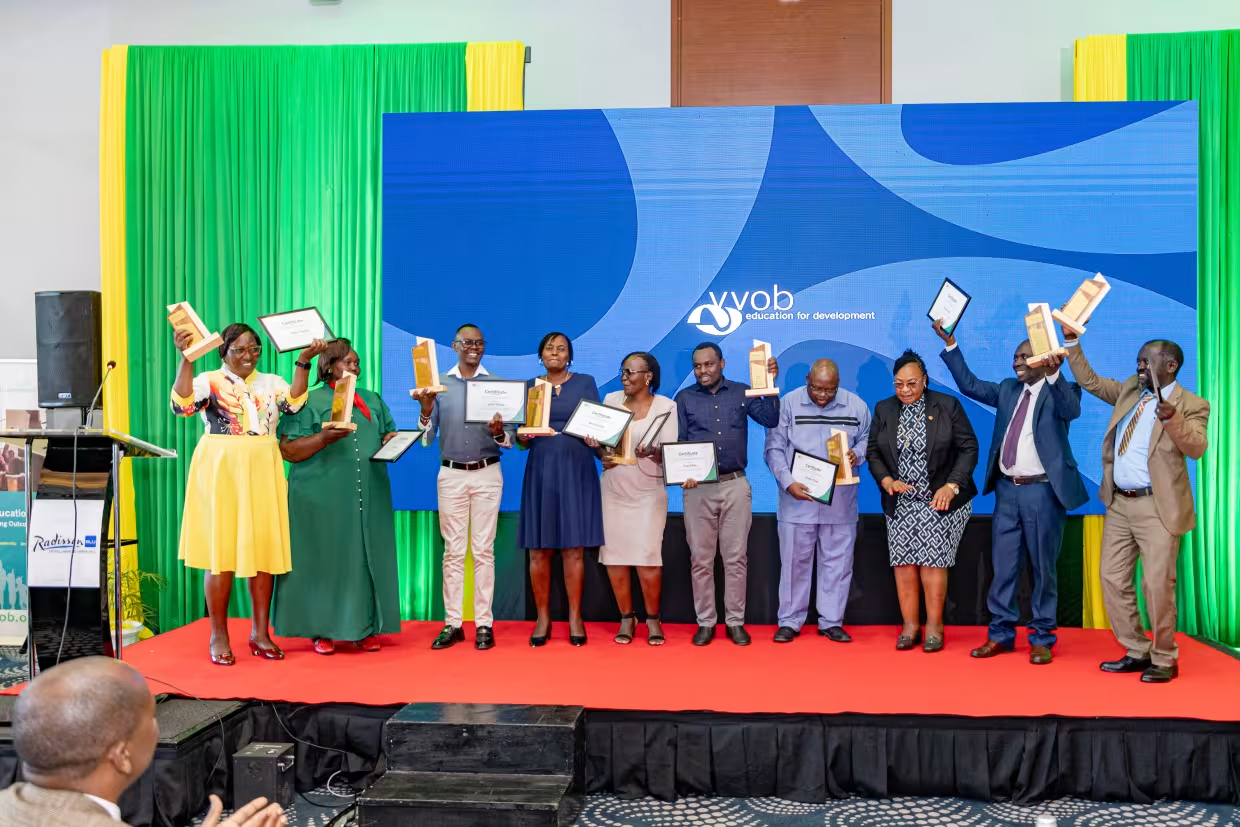
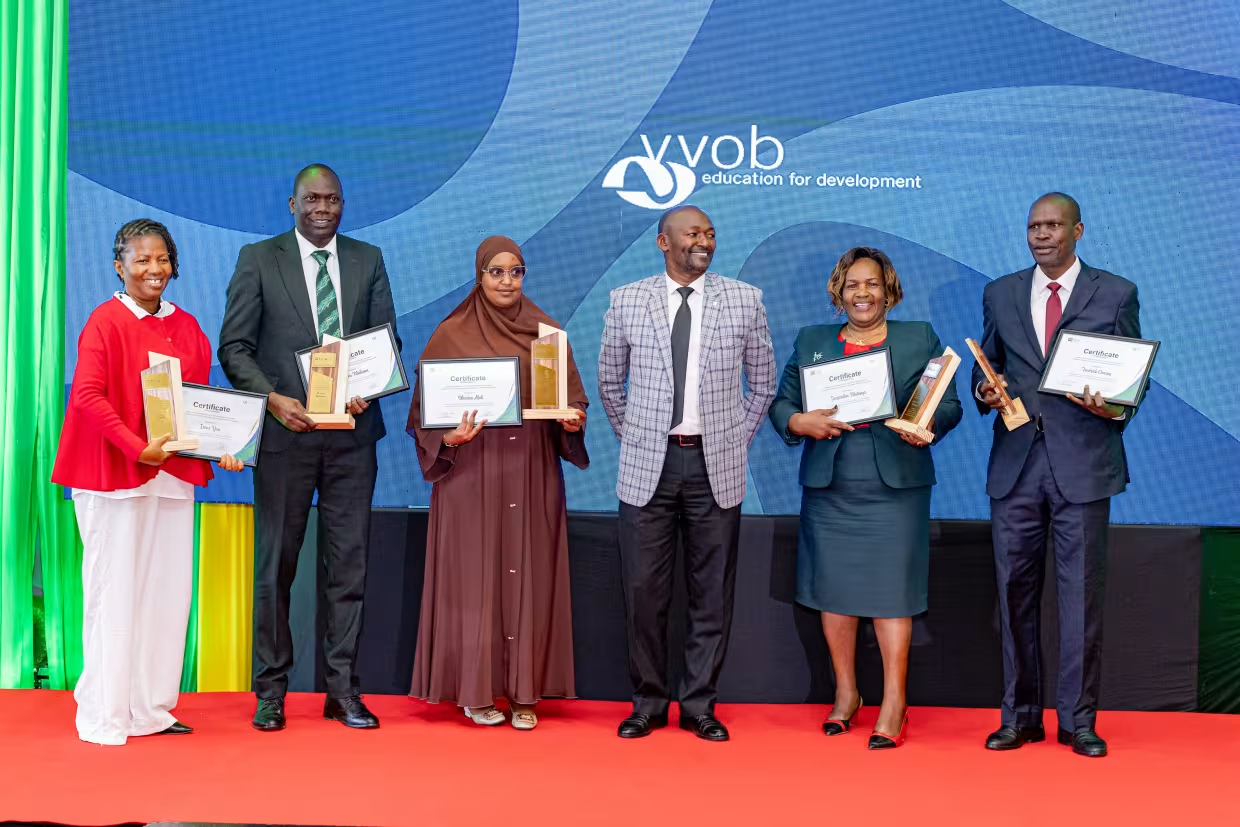
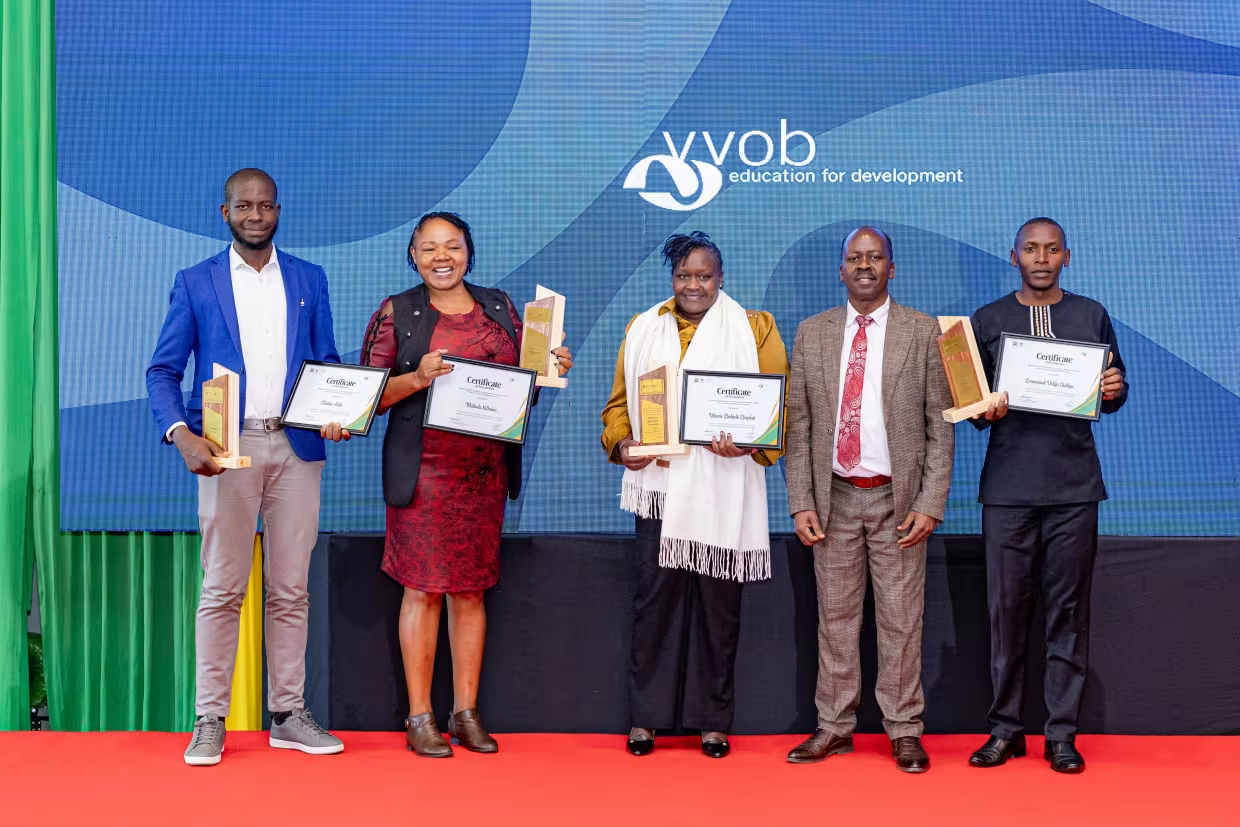
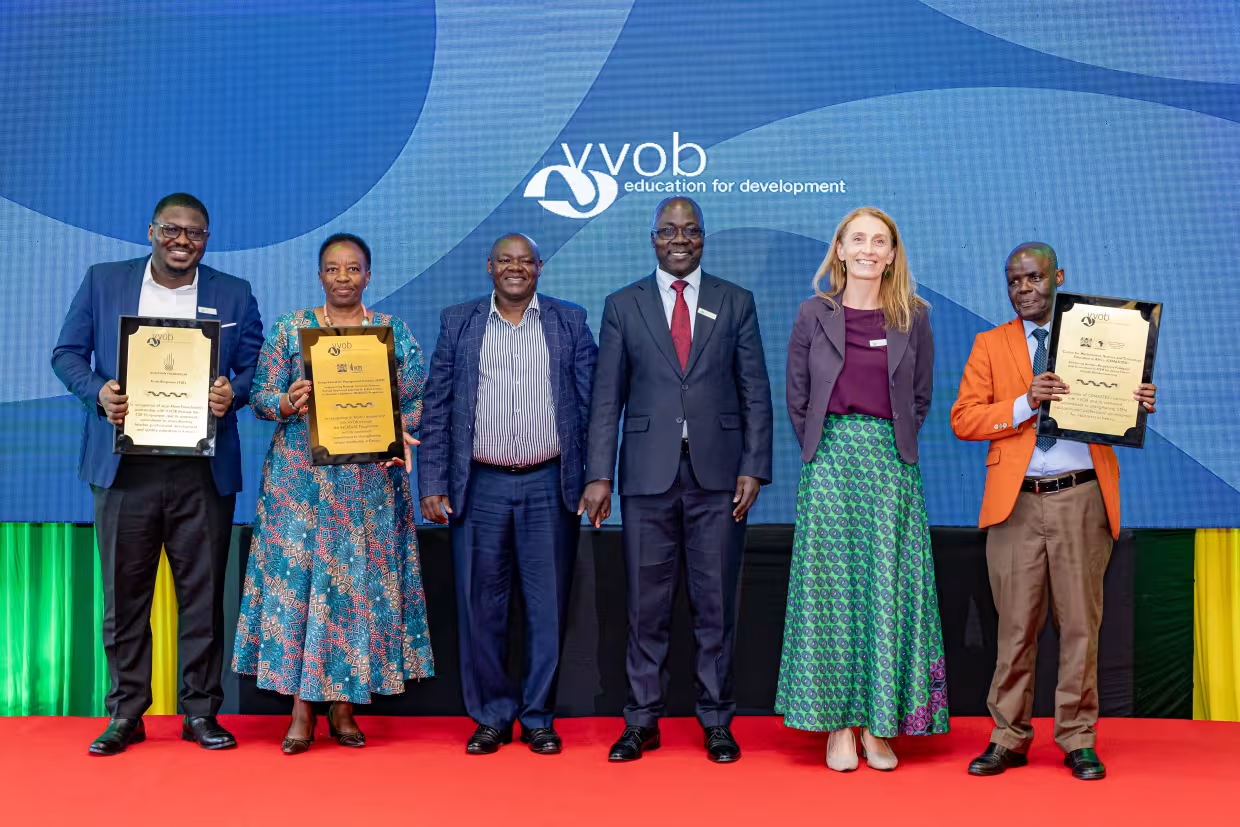
The celebration culminated in an award and recognition ceremony honouring school leaders, STEM teachers, institutional partners and the VVOB team for their work in Kenya’s education.
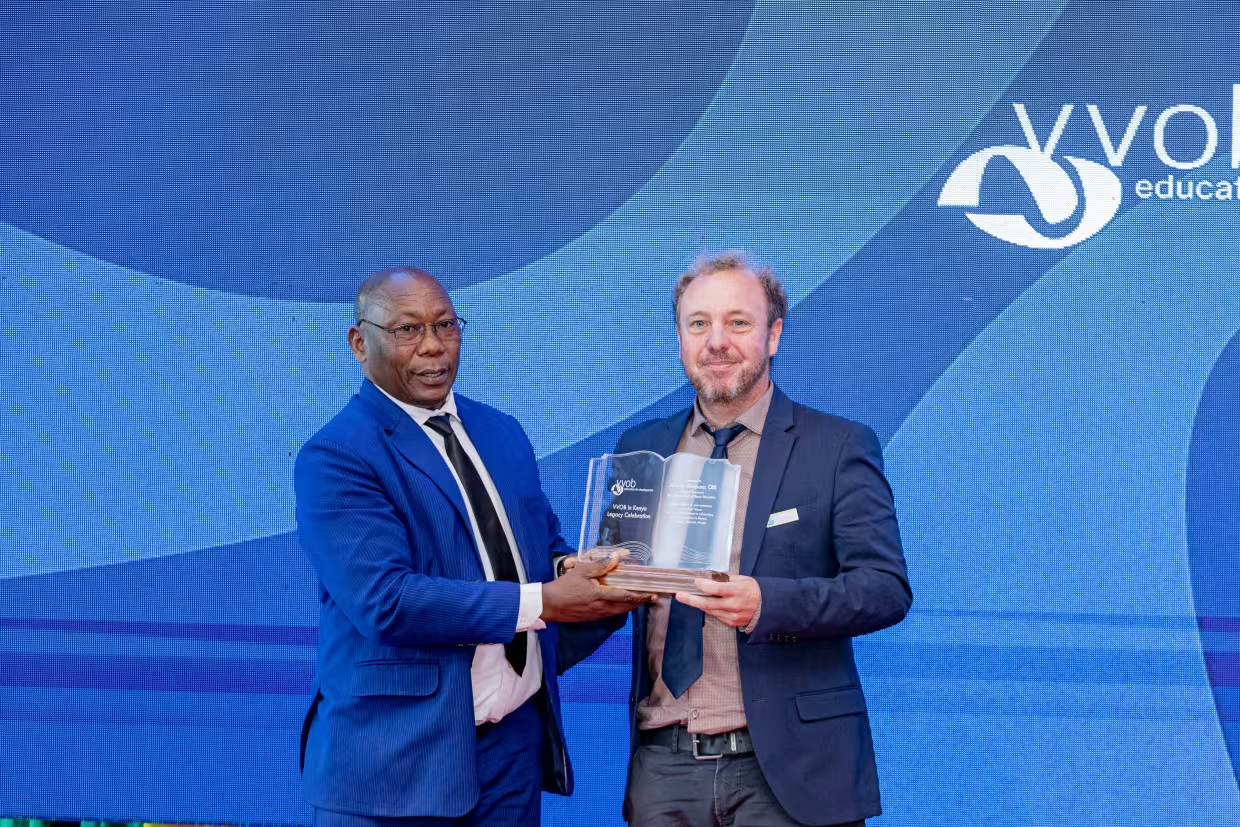
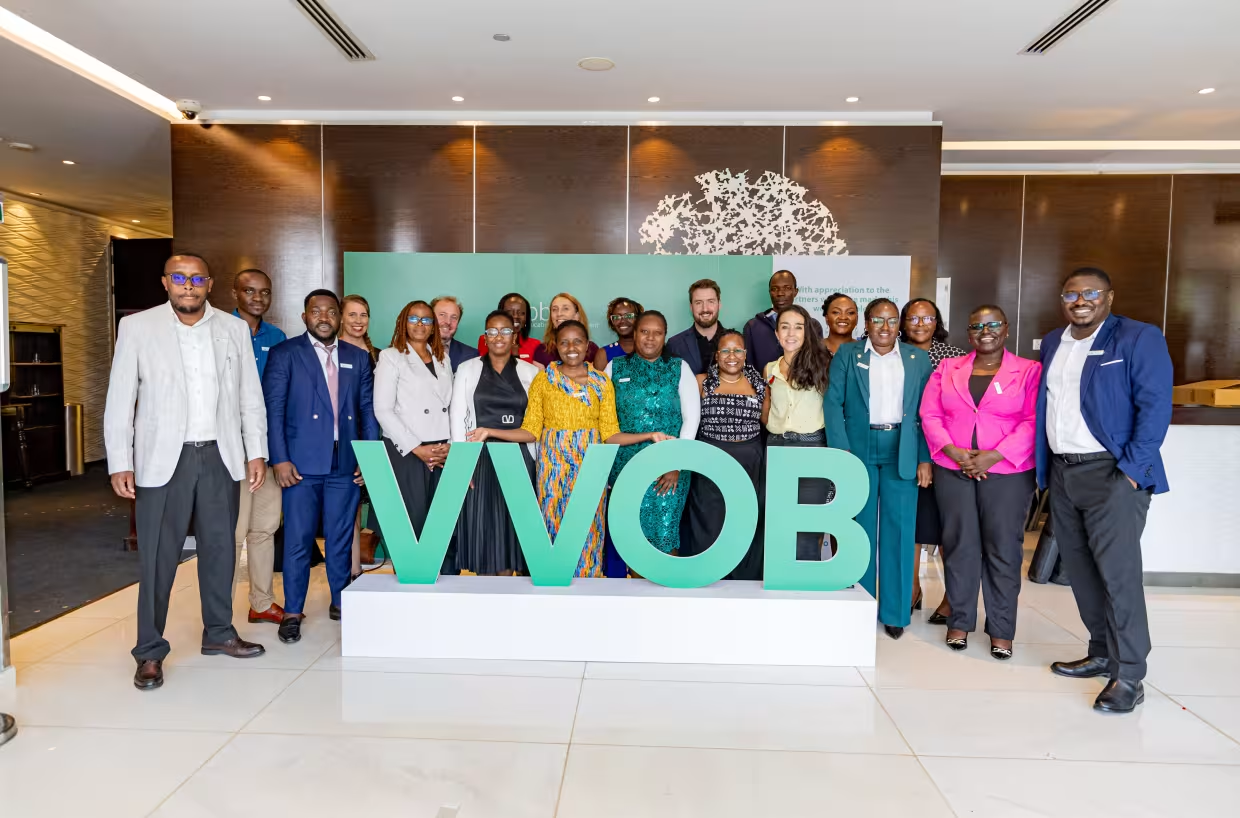
Josephine’s experience at St. Columban’s School for the Deaf offers one example of how professional development can influence everyday practice. The wider legacy of VVOB’s work lies in ensuring that the institutions and people behind these changes can continue to apply and extend them.
KEMI and CEMASTEA continue to build on their capacity and platforms, while Teach2Empower is generating lessons for expansion into new regions. At school level, educators are applying what they have learned to improve teaching and create more inclusive learning environments.
In her closing remarks, Claire Mazin, VVOB in Kenya’s Country Programmes Manager, captured the spirit of collaboration, urging stakeholders to build on their shared ambitions. “Let’s continue to partner rather than compete, learn rather than know and innovate rather than phase out,” she emphasised, calling for continued collective action to address remaining gaps in quality education.
By subscribing you agree to our Privacy Policy